

Cannabis is often cultivated under highly controlled conditions. However, there is human and mechanical intervention in the process, which can lead to the introduction of contaminants. Inspection is often recommended because finding a piece of metal, glass, or other foreign material in any cannabis product could adversely affect consumer confidence and damage brand reputation.



Metal detection is a crucial quality assurance step when whole cannabis flowers are sorted and packaged for sale. Adding a gravity-feed metal detector to a cannabis flower processing line facilitates continuous inspection and eliminates metal contaminants prior to packaging or further processing.
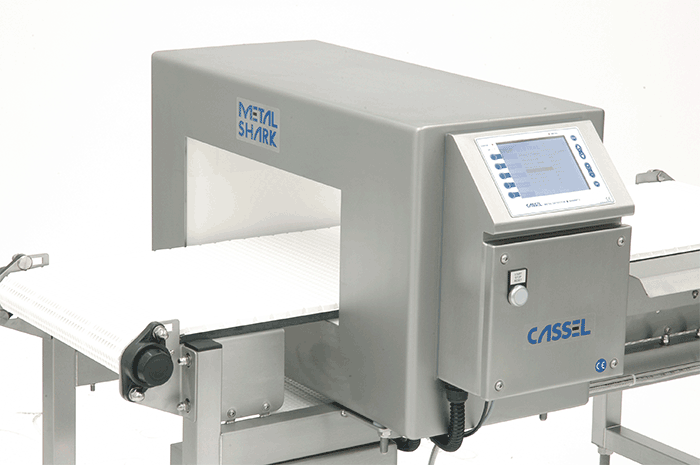
Once flowers have reached the packaging stage of production, conveyor belt metal detectors are often the optimal choice. These systems can be tailored to provide reliable, continuous inspection without reducing production speeds. Conveyor systems may also be used for pre-shipment inspection to ensure primary and secondary packaging is free of metal contaminants.

Manufacturers of cannabis-infused edibles can utilize metal detection systems to inspect bulk raw materials for metal contaminants before combining them with other ingredients. This is ideal if your brand is hoping to reduce or eliminate costly equipment damage or economic losses due to finished product rejection (production time, packaging, rework, etc.).
There are three common types of bulk ingredient metal detectors in the cannabis industry.
Whether you have bulk ingredients or finished products to inspect, metal detection plays a valuable role to ensure product safety and consumer confidence in your cannabis products.

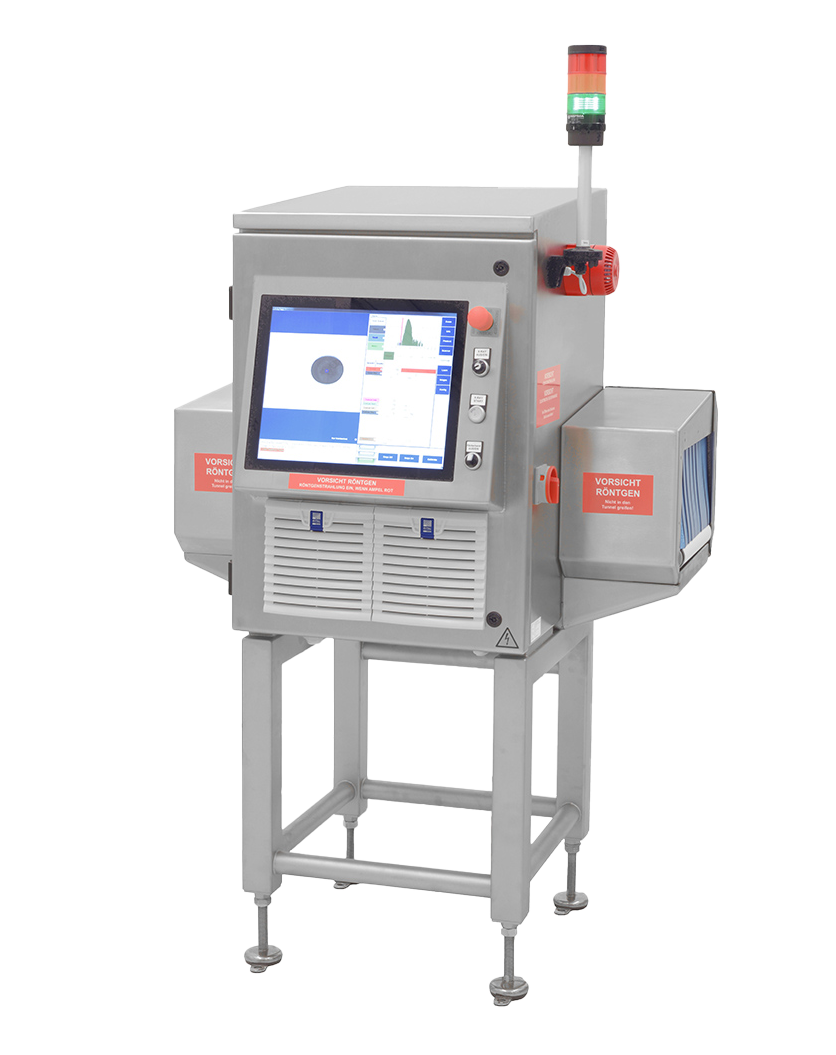
Additionally, many manufacturers are challenged with finding X-ray inspection systems designed to inspect small, lightweight packaging. Traditional X-ray systems utilize heavy shielding curtains to contain X-rays and protect operators from X-ray radiation. As a result, small cannabis product packages can get “stuck” behind heavy shielding curtains clogging conveyors and causing inaccurate rejections.