Detecting Contaminants and Verifying Weight in Pet Food and Treat Production
Pet food manufacturers often inspect loose or bulk product before packaging using metal detection systems. After bagging, checkweighers verify fill accuracy, and X-ray inspection may be used to inspect finished packages for foreign contaminants. This layered inspection approach allows producers to detect contamination early while also verifying the safety and integrity of the final sealed product.
Pet food manufacturing safety standards can be as strict as, or even stricter than, human food requirements. Industry-wide detection thresholds for contaminants — plus additional requirements from retailers and private-label programs — require manufacturers to ensure their products are free of any foreign object contamination.
Pet food inspection systems are used to detect metal, stone, glass, and other foreign materials before products reach store shelves. Integrating inspection technology into your pet food production and packaging process protects animals, supports compliance, and reduces the financial impact of recalls.
Product Inspection: Why Do Pet Food Brands and Facilities Need It?
With stringent industry regulations — and even higher expectations from today’s pet owners — contamination detection is no longer optional for pet food manufacturers. It’s essential.
Consumers are willing to pay more for high-quality ingredients, limited formulations, and health-focused recipes, and they expect those products to be safe.
Because contamination risks exist at nearly every stage of ingredient procurement, processing, and packaging, proactive inspection is critical. Integrating inspection technology throughout the production process helps pet food manufacturers reduce recall risk, protect brand reputation, and consistently deliver the safe, high-quality products customers expect.
How is Metal Detection Used in Pet Food Manufacturing?
Metal contamination can enter pet food products in more ways than many manufacturers realize. From raw ingredient intake to final packaging, there are multiple opportunities for foreign metal to make its way into the process.
Common sources of metal contamination in pet food manufacturing include:
- Raw ingredients such as ground corn, meat, fish meal, or grains that may contain metal fragments from harvesting or processing equipment
- Supplier-related risks, when incoming materials have not been adequately inspected upstream
- Processing equipment wear and tear, including screens, grinders, mixers, extruders, and conveyors
- Broken tools or loose fasteners
- Clips or metal components used in certain packaging formats, such as chub-style fresh pet food
- Environmental contaminants introduced during bulk handling or transfer
With so many opportunities for contamination throughout the manufacturing process, pet food brands should consider metal detection at several points in their production process.
Raw Ingredient Inspection
Raw ingredient inspection provides an added layer of protection at the front end of pet food production. Some manufacturers choose to inspect incoming raw materials as a verification step alongside supplier quality programs. Screening ingredients before they enter a manufacturing system helps prevent metallic contaminants from moving deeper into the process and reduces the risk of downstream equipment damage.
See how a conveyor belt inspection machine works to reduce contaminants in bulk ingredients.
In-Process Inspection
Metal detection can be installed during processing to catch contamination before the product reaches final packaging. This is especially valuable for:
-
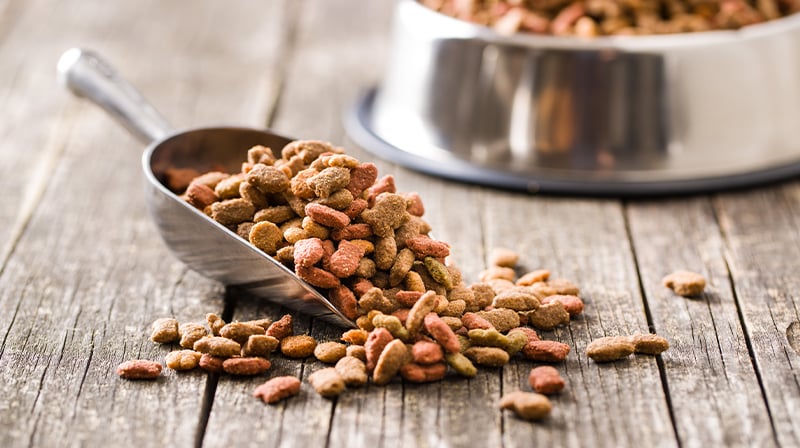
Dry kibble using gravity-fall metal detectors before bagging
-
Fresh or raw pet food moving through pipelines (such as chub-style products)
-
Treats or bulk items prior to being portioned into bags or cartons
Detecting contamination at this stage minimizes product loss. Instead of discarding entire finished packages, manufacturers can isolate and remove smaller quantities of affected product. Earlier inspection also allows systems to detect smaller metal fragments.
Final Package Inspection
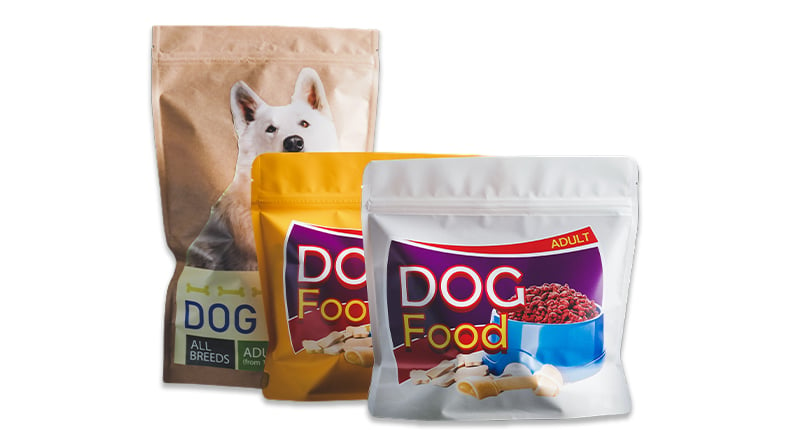
Many facilities install metal detection systems after the product has been packaged. Applications include bagged dry pet food, boxed treats, and bulk cartons containing multiple units.
Passing this “final check” validates your process safety and quality control measures and confirms that products leaving your facility are safe.
Looking for impurities in finished packages? A conveyor belt inspection machine might be a perfect choice.
Metal Detectors for the Pet Food Industry
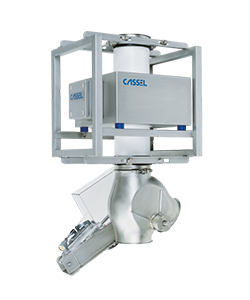
CASSEL Inspection delivers tailored inspection solutions for pet food manufacturers, ensuring product quality and pet safety at every production stage, from integration of bulk materials to final packaging. Our inspection solutions prevent costly recalls and preserve brand reputation.
In addition, CASSEL offers a variety of metal and foreign material inspection systems for practically every application and industry. Discover our portfolio of advanced inspection systems designed to improve manufacturers’ quality assurance protocols.
How is X-ray Inspection Used in Pet Food Manufacturing?
X-ray inspection systems are used in pet food manufacturing to detect both metallic and non-metallic contaminants — including metal, stone, glass, and dense plastic — particularly in applications where metal detection is limited by packaging or product characteristics.
Unlike metal detectors, X-ray systems are not affected by metalized films, foil packaging, clips, or cans.
This makes them especially valuable when inspecting finished product, ensuring only safe-to-consume products leave the manufacturer’s facility. Depending on the facility’s risk tolerance and quality standards, X-ray inspection can be installed at bulk, in-process, or final package stages.
Foil Packaging and Pouches
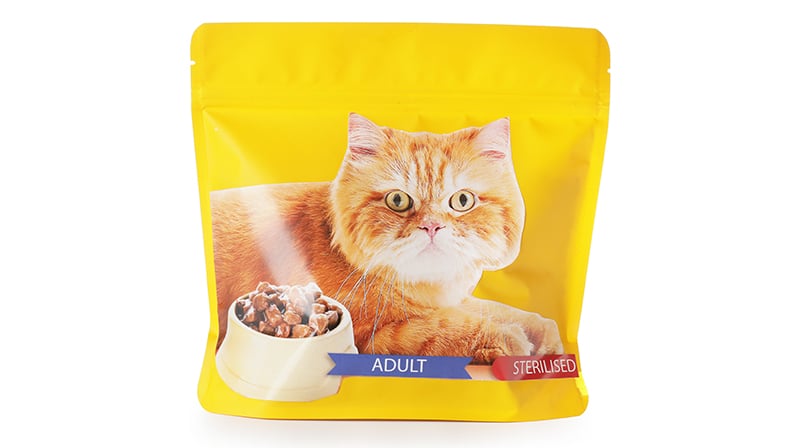
Maintaining the correct moisture level is critical. Many pet treats and smaller premium pet food products are packaged in flexible pouches or foil-lined bags with a barrier layer that protects the product by controlling moisture, helping extend shelf life.
Because metalized films interfere with traditional metal detection, X-ray inspection is typically implemented at the final package stage.
Finished bags pass through the X-ray system without interference from the packaging material. The system scans the contents inside the sealed package to identify unexpected contaminants while maintaining production speed and product integrity.
This is especially common for:
-
Resealable treat pouches
-
Foil-lined freshness bags
-
Flexible stand-up pouches
Clip-Sealed “Chubs”
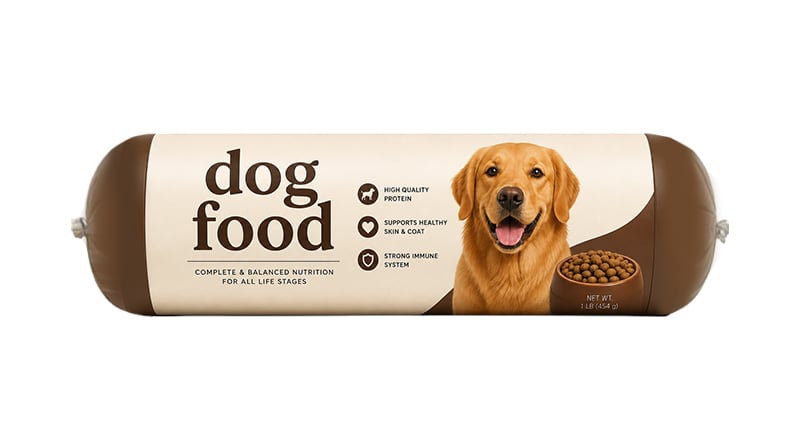
Fresh and refrigerated pet food is often packaged in tube-style “chubs” sealed with a metal clip. While in-line metal detection may be used earlier in the process, final inspection after sealing typically shifts to X-ray. The system is configured to recognize and ignore the known metal clip while still identifying unexpected contaminants within the product. This ensures effective inspection without unnecessary rejects.
Aluminum Trays, Mono-Dose Bags, and Canned Wet Pet Food
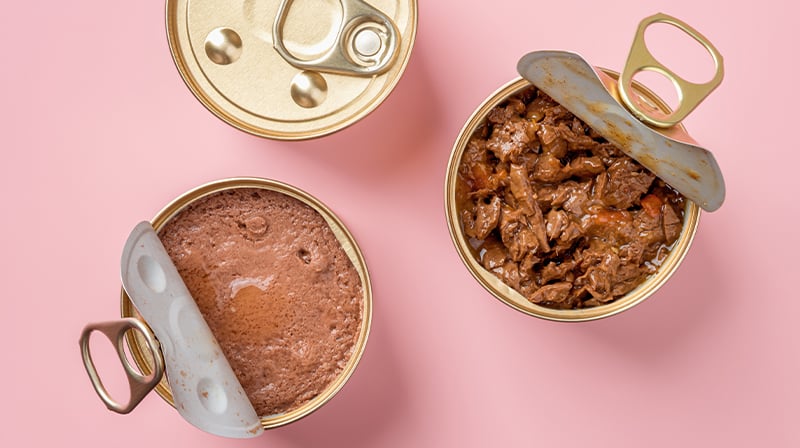
Wet pet food products are typically packaged in cans, aluminum trays, or aluminum mono-dose bags. While aluminum trays and mono-dose bags can easily pass through conventional X-ray systems, canned dog and cat food requires a more specialized inspection approach. This is because cans are more likely to tip over when passing through heavy shielding curtains.
Curtainless Side-View X-ray Systems are commonly used for upright cans, scanning across the shortest product dimension to enhance detection sensitivity. These systems can also provide quality control benefits, such as validating fill level, helping confirm consistency before labeling and shipment.
Bulk Ingredients
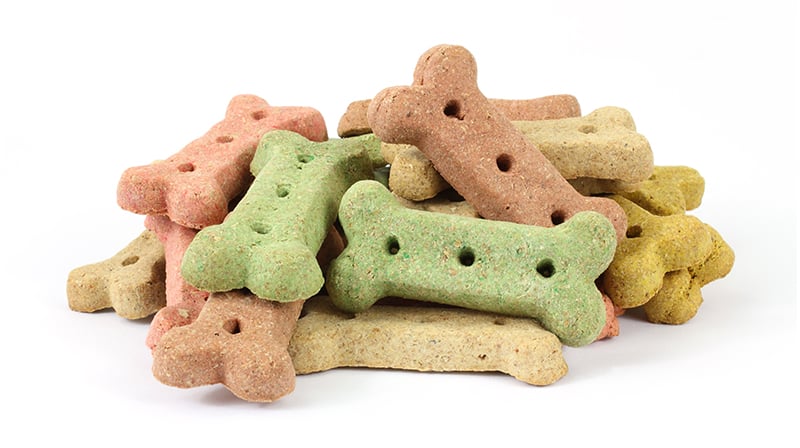
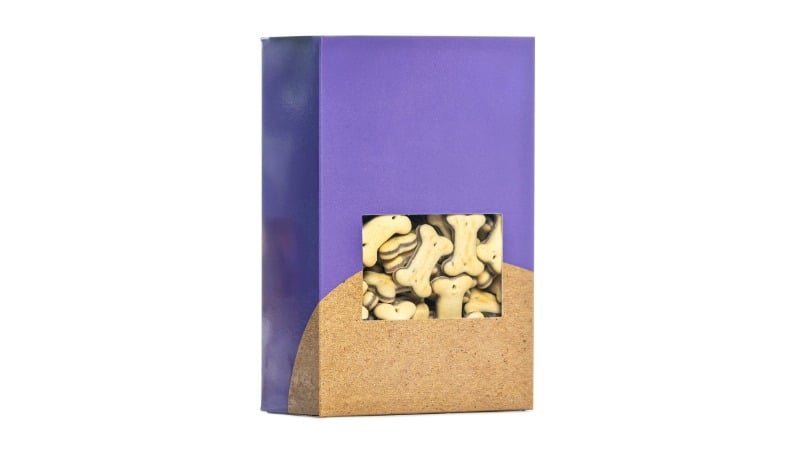
X-ray inspection can also be installed prior to packaging, particularly for treat-style products moving along a conveyor. For example, biscuit or “milk bone” style treats can be inspected before entering the packaging system. By identifying contaminants at the bulk stage, facilities discard only affected pieces rather than an entire finished package or case. This reduces product waste and supports efficient root cause investigation.
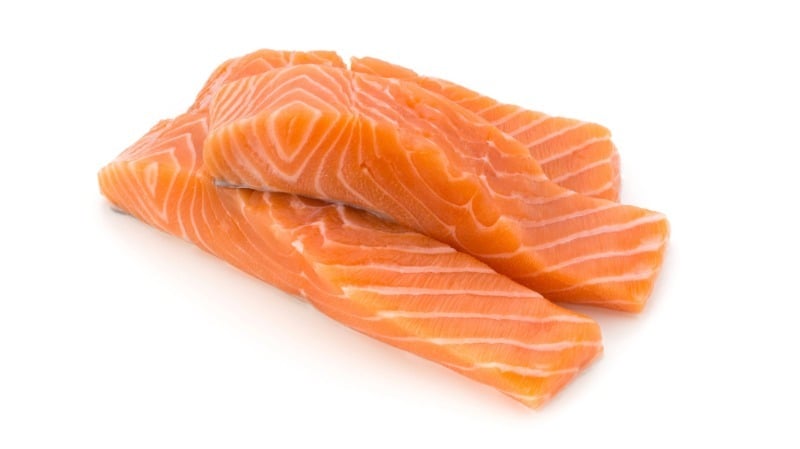
Raw Ingredients
Inspection at the raw ingredient stage can reveal risks that may not be immediately visible. In one large pet food operation, X-ray inspection identified stone contamination traced back to fish-based ingredients. Bottom-feeding fish can ingest small rocks, which may travel through processing if not detected in an early-stage inspection before further processing affects overall product control.
Confirm Product Packaging
In addition to detecting and removing contaminants from pet foods, X-ray inspection systems can provide quality and consistency assurance. X-ray systems can be “taught” to recognize abnormalities within a package that would confirm item count, reveal broken or damaged items, or detect underfilled or unfilled packages.
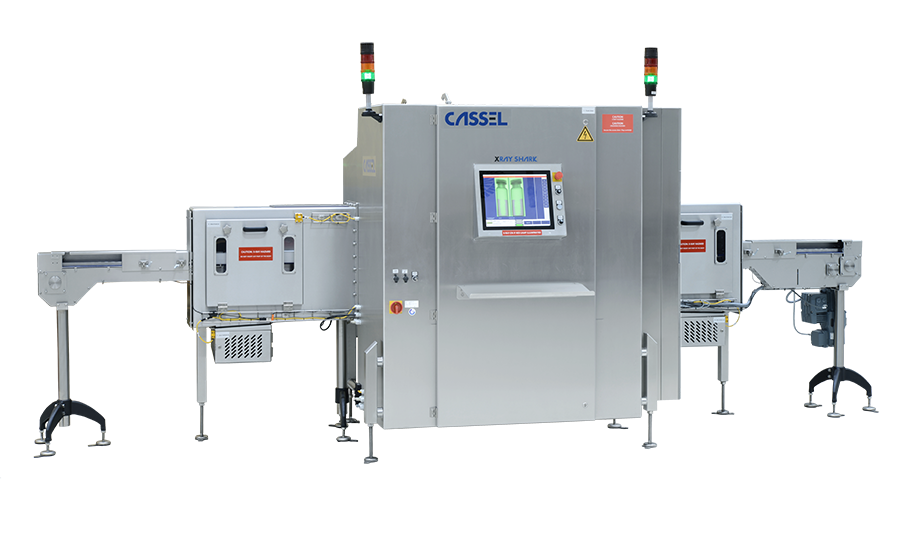
X-ray Inspection Equipment for the Pet Food Manufacturing Industry
As with all of our metal and foreign object detection systems, CASSEL inspection has X-ray systems for a variety of applications and industries. Discover our X-ray inspection portfolio, all designed to take your pet food quality assurance protocol to the next level.
Where Are Checkweighers Used in Pet Food Production?
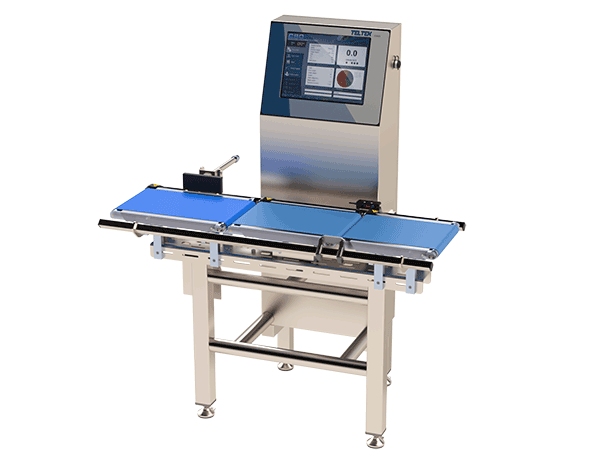
Checkweighers for pet food packaging verify net weight and package consistency before shipment. These systems are typically installed at the final stages of the line.
Applications include:
-
Verifying individual bag or pouch weights
-
Confirming correct unit counts in multi-pack cases
Checkweighing reduces underfill and overfill risk, supports labeling accuracy, and helps maintain retailer compliance.
Why Choose CASSEL for Pet Food Product Inspection?
CASSEL Inspection partners with pet food manufacturers, co-packers, and specialty brands to design and integrate inspection systems into new or existing production lines. Our technology integrates with all types of pet food product manufacturing and packaging.
Whether integrating a single inspection system or designing a fully integrated inspection solution across your production line, CASSEL provides comprehensive support from equipment selection through long-term service.
We deliver complete pet food inspection systems engineered for:
-
Compliance
-
Contaminant detection
-
Long-term brand protection
Contact us today to discuss the right inspection solution for your pet food production line.